

Why Lenoir City Electricians Lose Emergency Calls to Competitors Running Google Local Service Ads (and the Google Guaranteed System That Books Them First)
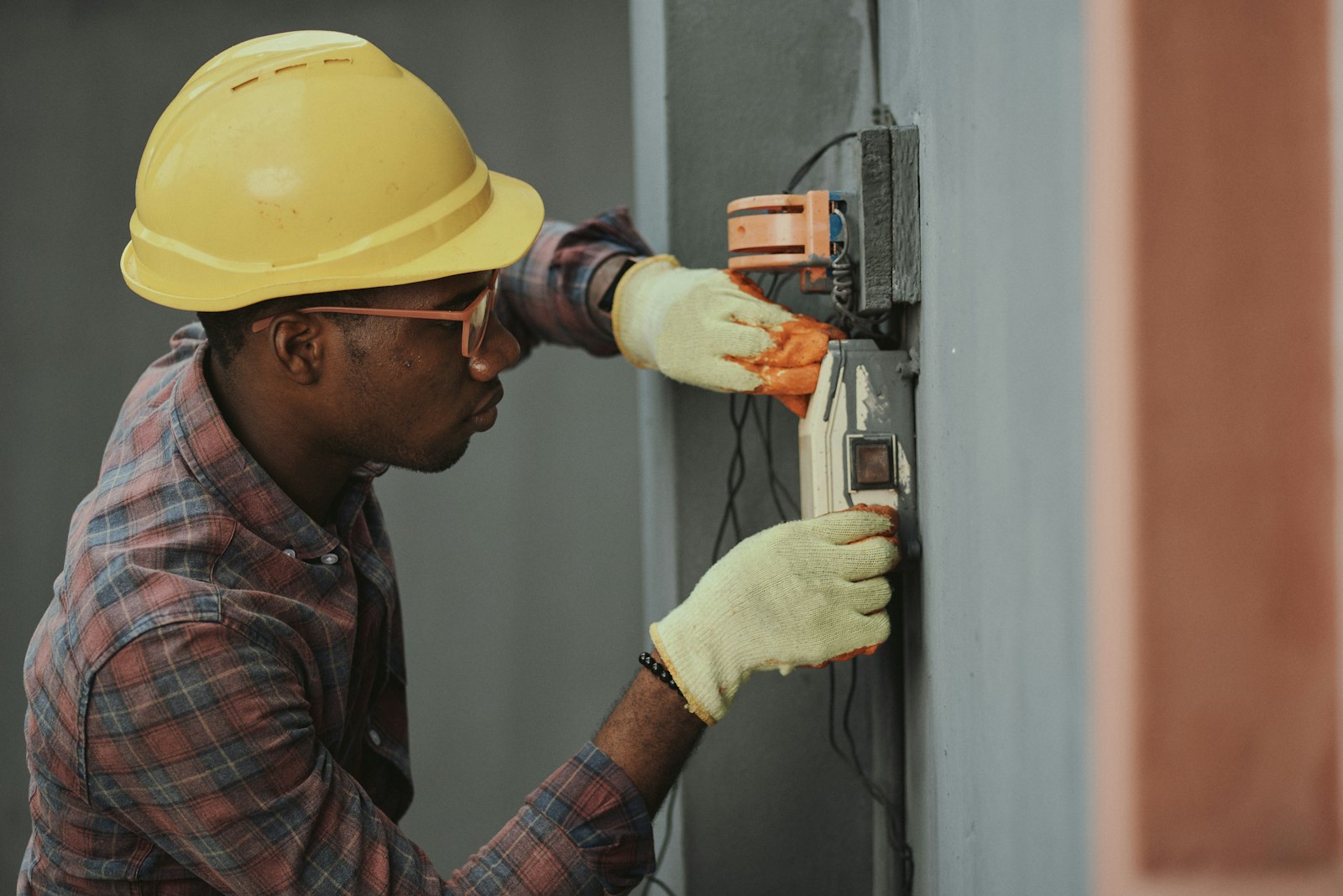
It's 6:15 on a Tuesday evening in Lenoir City. A homeowner off Highway 321 smells hot plastic behind the breaker panel, flips the main off, and grabs her phone. She types four words: electrician near me. Above the map, above every website, three listings appear with a green checkmark and the words “Google Guaranteed.” She taps the first one and it dials straight from the screen. That electrician didn't have the most reviews in town, the slickest website, or the lowest price. He just showed up in the one spot where the panic was — and he booked a $1,400 panel job before his competitors ever knew the call existed.
Lenoir City electricians lose emergency panel and outage calls because Google Local Service Ads (LSA) — the pay-per-lead listings carrying the green Google Guaranteed badge — sit above the map pack and every other search result, and most local shops never turn them on. The fix is to claim, verify, and optimize an LSA profile so you appear first at the exact moment a homeowner needs you and pay only for real leads, not clicks.
What Google Local Service Ads actually are (and why they're not regular Google Ads)
Most contractors lump Local Service Ads in with the pay-per-click Google Ads they may have tried and abandoned. They are a different animal. Traditional Google Ads charge you every time someone clicks — including the tire-kickers, the wrong-number taps, and the competitors checking your pricing. Local Service Ads charge you per lead: a phone call or message from a real homeowner in your service area asking for the work you do. If the lead is spam, a wrong number, or plainly outside your services, you can dispute it and get credited.
Just as important is where they live on the page. LSAs render at the very top of the results — above the traditional PPC ads, above the Google Business Profile map pack, above the organic listings. For an emergency trade like electrical, that position is the whole game. When a panel is arcing or half the house is dark, homeowners don't scroll and compare. They call from the top.
Why LSAs win the highest-intent calls in Lenoir City
The searches that turn into booked electrical jobs are not the casual ones. They're “breaker keeps tripping,” “no power to half the house,” “electrical panel replacement Lenoir City,” “EV charger install near me.” These are what the Challenger Sale authors would call high-commercial-intent moments — the searcher has a problem, a budget, and a deadline measured in hours. Local Service Ads intercept those searches at the top of the page with a trust signal built in.
Speed matters as much as position. Harvard Business Review's landmark lead-response study (Oldroyd and colleagues) found that companies contacting an inbound lead within an hour were dramatically more likely to qualify it than those who waited even a day — the odds fell off a cliff after the first 60 minutes. LSAs are built around that reality: the ad is the phone call. There's no form to fill, no callback to schedule. The homeowner taps and you either answer or you don't. Answer, and you're often the only electrician they talk to.
The Google Guaranteed badge, and why homeowners trust it
The green checkmark isn't decoration. To earn the Google Guaranteed badge, Google verifies your business license, confirms your insurance, and runs background checks on the business and, in many trades, the technicians. Google then backs the completed job with a money-back guarantee for the homeowner — a lifetime coverage cap that varies by market (historically up to $2,000 in the U.S.) that reimburses a customer if the work covered by the guarantee wasn't done right.
For a homeowner in a genuine electrical emergency, that badge does something no amount of your own marketing can: it removes the fear of hiring a stranger off the internet. Marty Neumeier calls a brand “a person's gut feeling about a product or service.” The Google Guaranteed badge borrows Google's gut feeling and lends it to you at the exact second trust is worth the most. That's why an LSA listing with the badge routinely out-books a competitor with a prettier site and more Google reviews.
The setup that separates booked jobs from wasted spend
Turning LSAs on is not the same as making them work. The electricians who win with Local Service Ads get five things right. First, they complete verification fully — license, insurance, and background checks — because the badge won't show until they do. Second, they define services precisely (panel upgrades, rewiring, EV chargers, generator hookups, troubleshooting) so Google matches them to the right searches and they can dispute leads for work they don't do. Third, they set a tight, honest service area: Lenoir City, Loudon County, and the western edge of Knox County they'll actually drive to — not a 60-mile radius that generates leads they can't profitably serve. Fourth, they answer the phone during their stated hours, every time, because missed calls are still charged as leads and quietly tank your ranking. Fifth, they dispute bad leads promptly instead of eating them, which keeps the cost-per-booked-job honest.
Reviews and response rate are the ranking levers you control
Among LSA advertisers competing for the same Lenoir City search, Google decides the order using a handful of signals you can influence: proximity to the searcher, your review score and volume (Google's own reviews collected through the LSA system), your responsiveness to leads, and whether you're open when they search. BrightLocal's annual Local Consumer Review Survey has consistently found that the large majority of consumers read online reviews before choosing a local service business — so a steady flow of recent five-star reviews doesn't just build trust, it lifts your ad rank.
The practical move is a review system, not a review hope. James Clear's work on habits applies cleanly here: make the ask frictionless and tie it to an existing cue. The moment the panel is back on and the homeowner is relieved is your cue — a same-day text with a direct link turns that relief into a review while the gratitude is fresh. Answer every LSA lead on the first ring, and those two habits alone will move you up the stack.
How LSAs, the map pack, and regular PPC fit together
Local Service Ads are the top layer, but they're not your entire strategy. Below them sits the Google Business Profile map pack, which wins the “near me” and branded searches and costs nothing per lead. Below that, traditional PPC still has a role for the non-emergency, research-phase searches (“how much does a panel upgrade cost”) where a landing page can do the selling. The smart play for a Lenoir City electrician is to own the LSA slot for emergency intent, keep the Google Business Profile optimized to catch the map-pack traffic for free, and layer PPC only where the math works. Stacked, they make you unavoidable at the top of the page.
Frequently asked questions
How much do Google Local Service Ads cost for an electrician?
You set a weekly budget and pay per valid lead rather than per click. Lead prices vary by trade and market and move with demand, so electrical leads in the Lenoir City and greater Knoxville area will differ from a metro like Nashville. Because you're only charged for real inquiries in your service area — and can dispute spam or wrong-number leads for a credit — the cost-per-booked-job is usually easier to control than traditional pay-per-click.
What's the difference between Local Service Ads and Google Ads?
Google Ads (PPC) charge per click and appear below the LSA block; you build landing pages and bid on keywords. Local Service Ads charge per lead, appear at the very top with the Google Guaranteed badge, and connect the homeowner to you directly by phone or message. For emergency electrical work, LSAs typically deliver higher-intent calls at a more predictable cost per job.
How do I get the Google Guaranteed badge?
You apply through Local Services Ads and complete Google's verification: proof of an active license, current insurance, and background checks on the business and often the technicians. Once you pass, the green badge appears on your listing and Google backs qualifying jobs with a money-back guarantee for customers, up to a lifetime cap that varies by market.
Will Local Service Ads work for a small, one- or two-truck shop?
Yes — and small shops often have the edge, because LSA ranking rewards fast lead response and proximity more than company size. A two-truck electrician in Lenoir City who answers on the first ring and keeps recent reviews flowing can consistently out-rank a larger, slower competitor. The constraint isn't headcount; it's whether you'll answer every lead.
How fast do I need to respond to an LSA lead?
Immediately. The ad is a live phone call or message, and missed calls are still counted — and charged — as leads while dragging down your rank. Harvard Business Review's lead-response research showed qualification odds drop sharply after the first hour, and in an electrical emergency the window is far shorter than that. Treat every LSA lead as a call to answer now, not a message to return later.
Book more of the calls that already want you
You don't have a demand problem in Lenoir City — homeowners are searching for an electrician every time a panel trips or the power drops. You have a visibility problem at the exact moment they search. Local Service Ads put you at the top of that moment with a trust badge Google's name is behind, and they charge you only when a real homeowner reaches out. Claiming and optimizing the profile is a weekend of setup that keeps paying every time the lights go out somewhere in Loudon County.
Keep reading
See where you stand: get a free AI visibility audit and find out whether local homeowners can find you in Google and AI search.

