Why Cleveland, TN Electricians Are Invisible in AI Search — and the AEO System That Gets Them Recommended
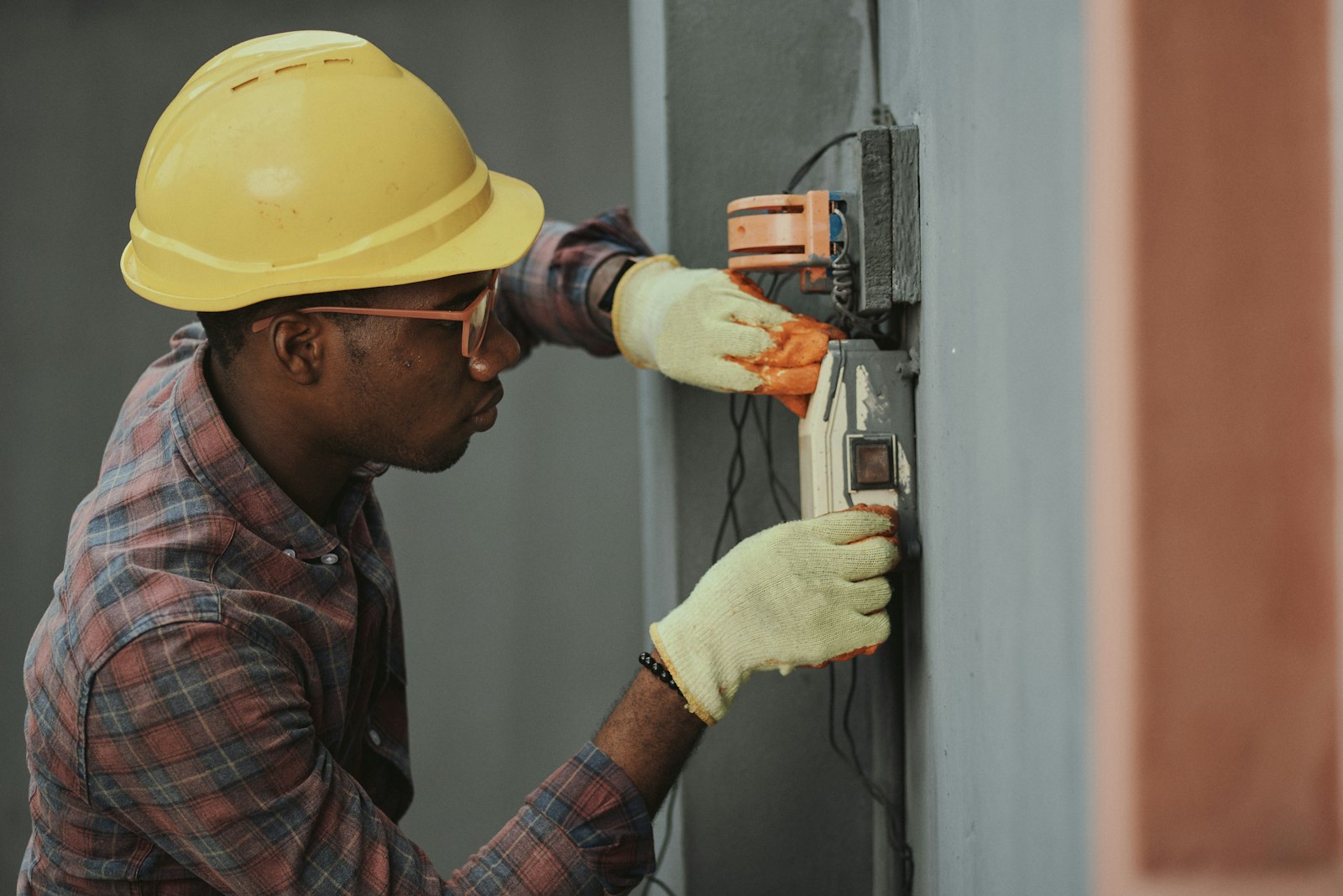
A homeowner in the Blue Springs area of Cleveland loses power to half the house on a Sunday night. She doesn't open the Yellow Pages and she doesn't scroll ten blue links. She opens ChatGPT—or taps the AI answer sitting at the top of Google—and types, “Who's a reliable licensed electrician near Cleveland, TN for an emergency panel issue?” Three seconds later she has two names, a short reason to trust each one, and a phone number. If your company isn't one of those two names, you didn't lose the bid. You never got to bid.
Cleveland electricians go invisible in AI search because large language models recommend businesses they can read, verify, and trust—and most contractor websites give them almost nothing to read. The fix is Answer Engine Optimization (AEO): structuring your online presence so AI assistants can find your name, confirm your credentials, and quote you as the answer. This isn't a rebrand of SEO. It's a different game with different scoreboard, and the electricians who learn it now will own the recommendation slot before their competitors know it exists.
The shift from “ten blue links” to one spoken answer
For twenty years, local search was a list. You wanted to be on page one, ideally in Google's Local Pack—the three-business map that sits above the organic results. That game still matters. But a second game now runs on top of it.
Google's AI Overviews and Gemini, OpenAI's ChatGPT, Microsoft Copilot, and Perplexity increasingly answer local questions by synthesizing sources and returning a short recommendation instead of a list. Google confirmed AI Overviews reaches over a billion users, and the company's own framing is that people using AI features search more, not less. The behavior underneath is what matters for you: the searcher no longer chooses from ten options. The machine narrows it to one or two, and the searcher usually takes the machine's word for it.
That compresses your market. In the blue-links era, being “pretty good” and on page one still earned clicks. In the answer-engine era, the model picks a small set of businesses it can justify recommending. If it can't justify recommending you—because it can't find you, can't read what you do, or can't confirm you're legitimate—you're simply not in the answer.
Why the machine skips most electricians
AI assistants don't “see” your truck, your reputation around town, or the fact that you've wired half of Bradley County. They assemble answers from text they can parse and sources they weight as trustworthy. Three gaps knock most Cleveland electricians out:
1. Thin, unreadable pages. A homepage with a hero image, a logo, and “Quality service since 2004” tells a model nothing. It can't extract what you do (panel upgrades? EV chargers? generator installs?), where you do it, or who you are. Models reward specific, plainly written, question-shaped content. Vague brochure copy is invisible.
2. No verifiable identity. AI systems lean hard on what Google calls E-E-A-T—Experience, Expertise, Authoritativeness, and Trustworthiness—now core to its Search Quality Rater Guidelines. For a trade that touches life-safety wiring, trust signals aren't optional. A model wants to see a license number, a service-area definition, real reviews it can corroborate, and consistent business information across the web before it will put its recommendation on your name.
3. No structured data. Schema.org markup—the invisible labels that tell a machine “this is a LocalBusiness, this is its phone, these are its services, this is an FAQ”—is how you hand the answer engine clean, unambiguous facts. Most contractor sites ship with none of it. You're asking the model to guess, and it would rather cite a competitor who didn't make it guess.
The AEO system that gets you recommended
Answer Engine Optimization borrows a discipline from positioning strategist Marty Neumeier: be the obvious answer to a specific question, not a slightly-better version of everyone else. Here's how that translates to a Cleveland electrician's web presence.
Write the answers before the questions get asked. Every real customer question is a page or a section: “How much does it cost to upgrade a 100-amp panel to 200-amp in Cleveland, TN?” “Do I need a permit to install an EV charger in Bradley County?” “Why do my breakers keep tripping?” Answer each one in plain language, lead with the answer in the first two sentences, and keep the paragraph self-contained so a model can lift it cleanly. This is the same reason journalist and framework-builder Donald Miller tells businesses to make the message obvious: if a customer—or a machine—has to work to understand you, you lose.
Make your identity machine-verifiable. Put your Tennessee license number, service area, hours, and founding year in text, not baked into an image. Claim and fully complete your Google Business Profile with the right primary category (“Electrician”), services, and service area. Make sure your name, address, and phone number are byte-for-byte identical everywhere they appear—your site, your profile, directories. Consistency is a trust signal; conflicting listings read as risk.
Add structured data. Implement LocalBusiness and Electrician schema, Service schema for each offering, and FAQ schema on your question pages. This is the single highest-leverage technical move most contractors have never made, because it directly feeds the answer engines the facts they're trying to extract.
Build corroboration off your site. Models cross-check. Steady, recent Google reviews that mention specific services and the word “Cleveland,” a presence in local and trade directories, and a few genuine local mentions all raise the odds an assistant treats you as a safe recommendation. Review velocity—a consistent trickle of fresh reviews—matters more than a big pile of old ones.
What this is worth in booked jobs
Emergency and high-ticket electrical work—panel upgrades, whole-home rewires, generator and EV-charger installs—are exactly the searches that trigger AI recommendations, because they're urgent, expensive, and trust-sensitive. These are also your best jobs. Winning the recommendation slot on a $3,500 panel upgrade a handful of times a month is a different business than winning it on a $120 outlet repair. The math favors the electrician who shows up as the answer when the stakes—and the ticket—are high.
The window is the point. Right now, in most East Tennessee markets, almost no contractors have done this work. The answer engines are actively looking for legitimate local businesses to recommend and finding thin pickings. The first electrician in Cleveland to become genuinely readable and verifiable doesn't just rank—they become the default answer, and defaults are hard to dislodge.
Frequently asked questions
What is AEO and how is it different from SEO?
SEO (Search Engine Optimization) works to rank your website among the list of results a search engine shows. AEO (Answer Engine Optimization) works to get your business named inside the single synthesized answer that AI assistants like ChatGPT, Google's AI Overviews, and Perplexity return. SEO competes for a click; AEO competes to be the recommendation. They share fundamentals—clear content, strong reputation, technical hygiene—but AEO leans harder on machine-readable structure and verifiable trust signals, because a model has to justify naming you.
Can a small Cleveland electrician really show up in ChatGPT?
Yes, and small operators often have an edge right now because so few have done the work. AI assistants aren't only recommending national brands—for local, service-area questions they surface local businesses they can read and verify. A focused electrician with a clear website, complete Google Business Profile, consistent business information, structured data, and steady recent reviews can absolutely become a recommended answer for “electrician near Cleveland, TN” type questions.
How long does it take to become visible in AI search?
Foundational moves—completing your Google Business Profile, fixing inconsistent listings, adding structured data, and publishing clear service and question pages—can be in place within a few weeks. Being cited consistently by AI assistants tends to build over a few months as models re-crawl your site, your reviews accumulate, and your information gets corroborated across the web. It compounds: the earlier you start, the sooner the default forms around your name.
Do reviews affect whether AI recommends me?
Strongly. Reviews are one of the clearest trust signals a model can corroborate, and they double as content—when a review names a service and the city, it reinforces what you do and where. A steady flow of recent, specific reviews on your Google Business Profile matters more than a large number of old ones, because both searchers and answer engines weight freshness and relevance.
What's the single most important first step?
Make your business machine-verifiable. Put your license number, service area, services, and hours in plain text (not images), claim and fully complete your Google Business Profile with the correct category, and make your name, address, and phone number identical everywhere online. Until an AI assistant can confirm who you are and that you're legitimate, no amount of clever copy will get you into the answer.
Where to go from here
The electricians who win the next few years in Cleveland won't be the ones with the flashiest logo or the biggest ad budget—they'll be the ones an answer engine can confidently name when a homeowner asks for help. That's a system you can build, and it starts with making your business readable and verifiable to the machines that are already fielding your customers' questions. Forty-Second Street builds that system for East Tennessee home-services contractors, from the structured data to the review engine to the pages that answer the questions your best jobs start with.
Keep reading
See where you stand: get a free AI visibility audit and find out whether local homeowners can find you in Google and AI search.
LucroVox: Answers electrical calls and books jobs day and night, so no AI referral is missed.
WhatConverts: Shows which calls and form leads come from search, so you can see the payoff.