Tree service demand arrives in bursts, and the company that answers the phone during the burst takes the work. Storms create a few days of intense, price-insensitive calls. The rest of the year is scheduled removals and pruning, sold on trust, insurance proof, and evidence that you can drop a large tree safely next to a house. Marketing has to serve both modes, and they need opposite things from you.
How homeowners search for tree service
There are two entirely different searchers. The emergency one appears within minutes of a storm, on a phone, often with no power, typing emergency tree removal, tree on house, and storm cleanup near me. They call down the list until a human answers and they do not compare prices. The planned one researches a removal or a trim over several days, searching tree removal cost, arborist near me, and stump grinding, then gathers three quotes. After leaf-off in late fall a third pattern appears, as homeowners can suddenly see deadwood and broken limbs in the canopy and dead tree removal searches climb. Insurance questions run through the query language constantly.
What makes tree service different
Risk is the product. A removal near a structure is priced on liability and rigging difficulty rather than hours, and the buying decision turns on whether the homeowner believes you are insured and competent. That makes a visible certificate of insurance and real credentials more persuasive than any offer you could write. Ticket sizes swing wildly, from a small trim to a crane removal, and insurance sometimes pays, which changes both the conversation and the paperwork. Competition after a storm includes out-of-town crews knocking doors, which is a real problem for local companies and also a real opening, because homeowners have been warned about them. Equipment defines what you can even bid.
The seasonal pattern in East Tennessee
Three demand drivers, and only one of them is predictable. Summer thunderstorms from June through August produce the downbursts that snap and uproot trees, and ground saturated by roughly 51.9 inches of annual rainfall makes uprooting more likely. Winter brings the second driver: with around 67 days at or below freezing, ice and heavy wet snow load mature limbs and split weak-crotched species. Ice events are irregular, but one of them generates more work in a week than a good month does. The third driver is dormant-season work. From December through February, leaf-off makes deadwood visible, pruning is better for the tree, and access across dormant lawns is easier. That window is the schedulable base that carries a company between storms.
Where tree service companies lose the job
- No after-hours answering during a storm window, when a week of revenue gets decided in about six hours
- No certificate of insurance visible anywhere, in the one trade where homeowners are actively afraid of the liability
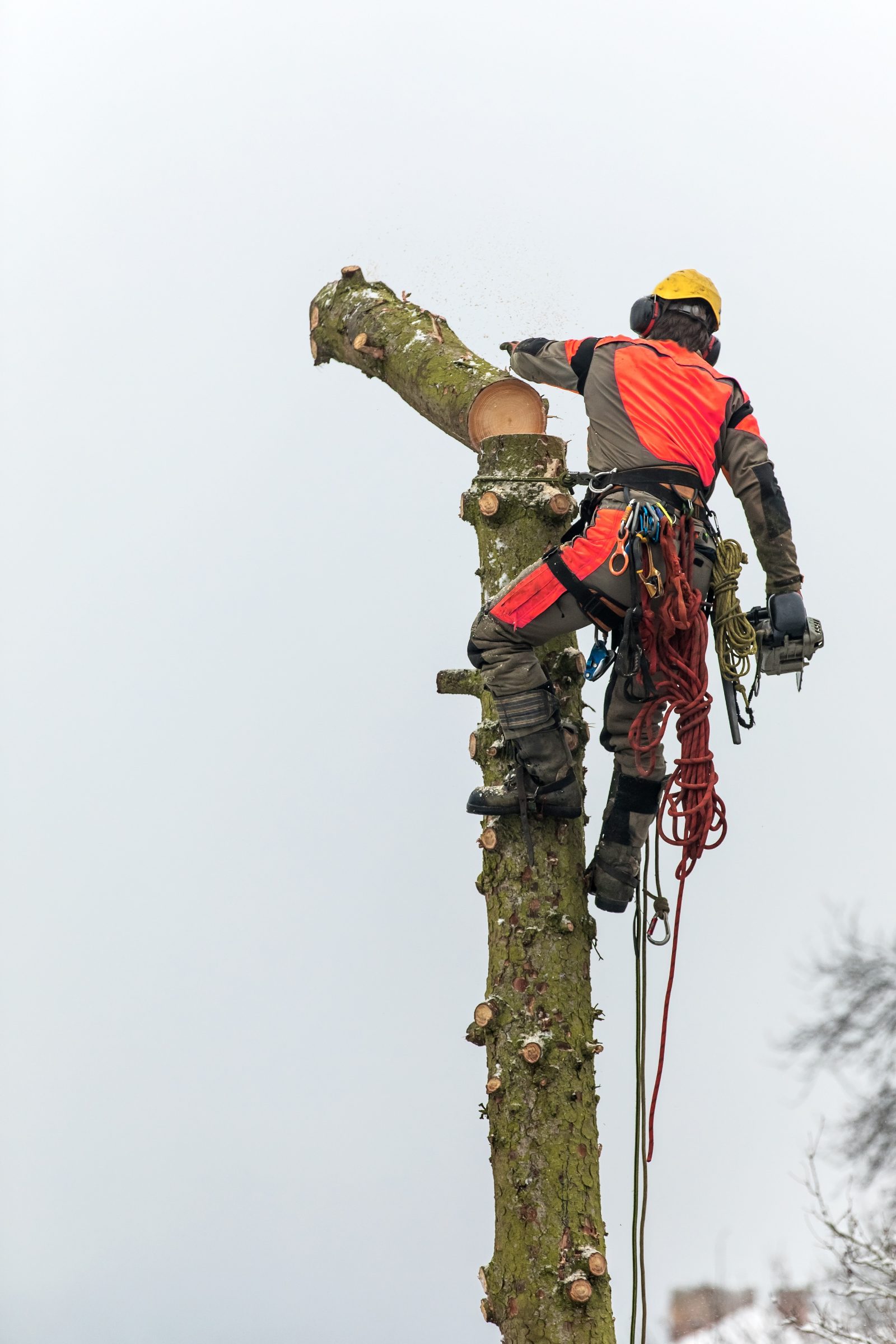
- Photos of trucks and chippers instead of rigging, crane work, and removals over roofs, which is the proof buyers are looking for
- Going dark on scheduled pruning and dead tree work in winter, then having no backlog when the storms do not come
What to measure
Cost per lead is worse than useless during a storm, because storm leads are cheap and close at extraordinary rates, which flatters your averages for a month. Separate emergency work from scheduled work and measure them independently. On the emergency side the number that matters is answer rate and time to answer inside storm windows, since missed calls are the entire loss. On scheduled work, measure quote-to-close and revenue per crew day, because a crane day and a trim day cost different money to run. Track what share of annual revenue is storm-dependent, since a company above a certain share has a fragile year built in.
Questions tree service owners ask
How much should I spend on ads during a storm?
Spend against capacity, not against the opportunity. Storm demand outruns what any crew can physically do within hours, so spend past that point only buys leads you will never reach and reviews you will not enjoy. The higher-leverage move is staffing the phone, having overflow answering ready, and already being ranked before the storm, because nobody builds visibility during the event itself.
How do I compete with the crews that show up after a storm?
Be the local option and make that obvious. Show your address, your license and insurance, your local review history, and how long you have worked in the area. Homeowners have heard the warnings about door-knocking storm crews and are looking for a reason to choose someone rooted here. That message costs nothing to make and converts hard in the days right after an event.
Is it worth marketing tree work in winter?
It is the most undervalued window in this trade locally. Once the leaves are off, homeowners can see dead limbs they could not see in July, dormant pruning is better for the tree, and firm or frozen ground means less lawn damage. Almost nobody advertises against that, so costs stay low. A winter backlog is also what keeps crews paid in a season with no storms.
Our tree service marketing page covers how that presence gets built before the storm rather than during it.