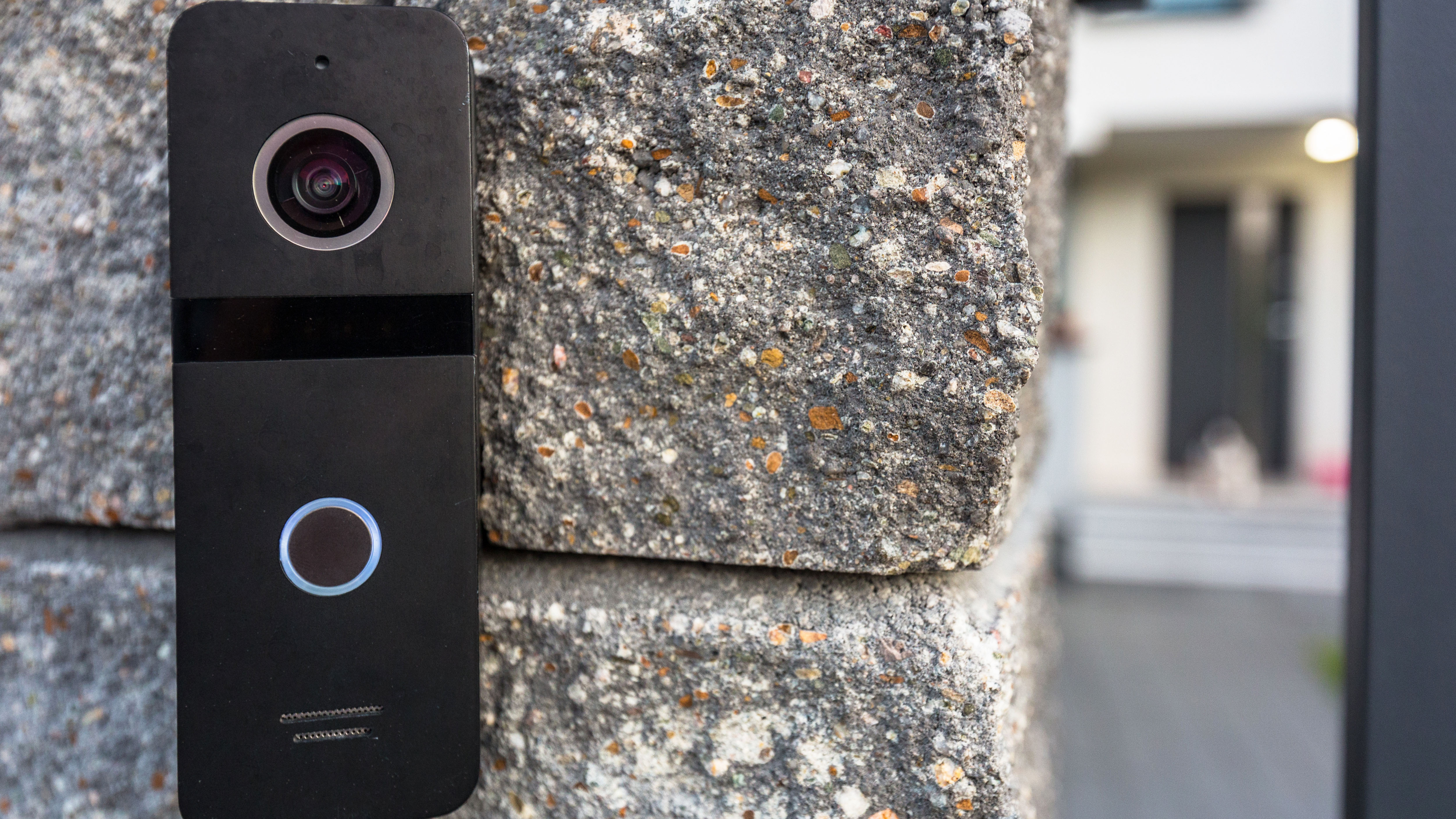
Home security stopped being a hardware sale. National brands sell DIY kits at retail prices with no-contract monitoring, so a local company competing on equipment loses before the conversation starts. What a local operator can sell is response, integration and a technician who shows up: monitored service that works with the cameras, locks and automation already in the house, supported by someone in the same county.
How homeowners search for home security
Two very different searchers. The reactive one just had a break-in on the street or a package stolen, and searches from a phone within a day using terms like home security systems near me, security cameras installed, alarm monitoring. That searcher decides in days and calls whoever answers. The planned one compares subscriptions for weeks: best home security system, DIY versus professional monitoring, no contract alarm monitoring, does my system still need a landline. National brand content dominates that second group's results, so a local company rarely wins them head-on. The two largest real triggers are neighborhood incident chatter and moving into a new house, and neither shows up cleanly in keyword tools.
What makes home security different
This is the only trade on this list built on recurring monthly revenue. Equipment is often sold near cost or bundled, and the actual business is the monitoring contract, which makes the economics look like a subscription company rather than a contractor. Lifetime value spans years, attrition matters more than any single sale, and financing is built into the contract structure. Competition is national and well funded: DIY retail brands, telecom bundles, and the seasonal door-knocking sales crews that work Knoxville-area neighborhoods each summer and leave behind contracts nobody local wants to service. New construction is a quiet channel worth more than most operators think, with 5,013 housing units permitted in Knox County in 2025 and pre-wire decided during framing.
The seasonal pattern in East Tennessee
The curve follows moves, daylight and theft patterns rather than weather. Spring and summer are the peak: residential moves cluster from May through August, new homeowners buy security in the first weeks after closing, and summer is also when the national door-knocking crews arrive and stir up the entire installed base. A second, smaller lift comes in late fall as daylight shortens and package theft climbs through November and December, which is the strongest camera and video doorbell window of the year. January and February are the quietest months for new sales, which makes them the right time to work existing accounts: system upgrades, cellular communicator conversions, camera additions and save calls on contracts approaching renewal.
Where home security companies lose the job
- Competing on equipment specifications against brands that manufacture their own hardware, instead of on monitoring response time and local service.
- No answer to why not just buy a kit, which is now the first objection in nearly every conversation and needs handling on the website before the call happens.
- Ignoring the existing-system market. Homeowners with an abandoned panel or an inherited contract are the cheapest customers to acquire, and almost nobody markets to them.
- Selling hard and then disappearing. In a recurring-revenue business, service response is the marketing, because attrition quietly cancels out every new sale.
What to measure
Cost per lead means very little when the revenue arrives over several years. Measure customer acquisition cost against recurring monthly revenue and the number of months required to recover it, then track attrition by cohort, because a cheap channel producing customers who cancel in month fourteen costs more than an expensive one producing customers who stay. Watch the ratio of monitored accounts to equipment-only sales by source. Treat service call response time as a retention metric worth reporting monthly, and track referral rate from existing customers, which is both the cheapest acquisition channel here and the clearest signal that service is holding.
Questions home security owners ask
How do we answer the DIY question?
Directly, on the website, before a customer asks. A retail kit self-monitors well and costs little. What it does not do is guarantee a monitored response when nobody is watching a phone, integrate reliably with older wiring, cameras and access hardware, or send a technician when a sensor fails at two in the morning. Make the comparison honest and specific. Pretending the kits do not exist reads as a company that stopped paying attention.
Is new construction worth pursuing?
Yes, if you can work to builder schedules. Pre-wire during framing is far cheaper than retrofitting later, and it puts your equipment in the house before the homeowner ever shops. Knox County permitted 5,013 housing units in 2025, so the volume is real. The work comes from builder and electrician relationships rather than from search, and it only pays off if the pre-wire converts to a monitoring subscription at closing.
What do we do about the summer door-knocking crews?
Get ahead of them with your existing customers rather than with ads. Those crews target neighborhoods where systems already exist and convert accounts by confusing homeowners about who they are dealing with. Contact your base before the season with a plain explanation of who you are, what their agreement says and how to reach you. Retention costs a fraction of replacement, and confused customers are the ones who sign.
If you want an outside team executing this against the national brands, read our home security marketing page.