

Why Alcoa Landscaping Companies Leave Repeat Revenue on the Table Every Season
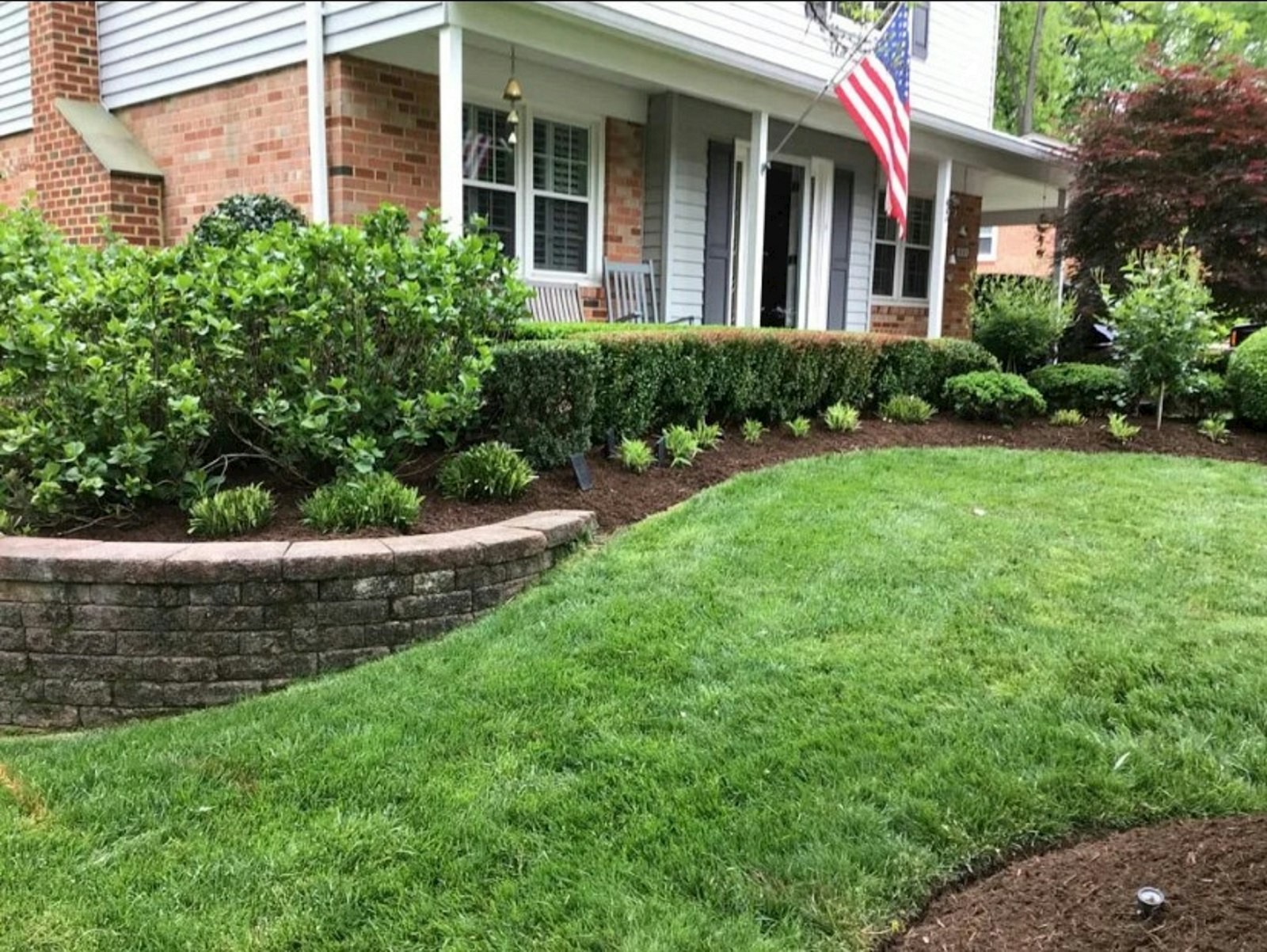
A landscaping crew in Alcoa wraps a spring cleanup on a half-acre lot off Louisville Road, collects the check, and rolls to the next stop. The homeowner is thrilled with the work. Then—nothing. No follow-up, no reminder, no reason to think about that company again. Come late August the same homeowner types “landscaping near me” into Google, taps the first Local Service Ad she sees, and hands the aeration-and-overseed job—plus next spring’s mulch and the fall leaf haul—to a competitor who simply showed up first. The first crew did nothing wrong on the lawn. They just never owned the relationship, so they had to win it back from scratch and lost.
The fastest, cheapest growth lever for an Alcoa landscaping company isn’t more ad spend—it’s an owned email list of past and current customers, worked on a seasonal cadence. Landscaping is the rare home-services trade with repeat demand baked into the calendar every few weeks. Email is the only marketing channel you fully own, and it is what turns that built-in demand into predictable, compounding revenue instead of a monthly coin flip on who happens to rank when the homeowner searches.
Rented attention versus owned attention
Every dollar you put into Google Local Service Ads, Meta, or the map pack buys rented attention. The moment you stop paying—or the algorithm shifts, or three new competitors bid up your keywords—the tap closes. Joe Pulizzi, who built and sold Content Marketing Institute, calls this the core strategic mistake of small businesses: building your audience entirely on land you don’t own. Seth Godin made the same point in Permission Marketing back in 1999—the asset that compounds is a list of people who have raised their hand and given you permission to show up in their inbox.
An email list is owned attention. No bidding war, no click charge, no gatekeeper deciding whether your message gets seen. For a landscaping company that’s uniquely powerful, because your customers don’t need the service once—they need it in spring, again in summer, again in fall, and often again for hardscape or cleanup in winter. You already earned the relationship the first time. The list is how you keep it.
The math most crews never run
The numbers on customer retention are lopsided in your favor. Research by Fred Reichheld of Bain & Company, published in the Harvard Business Review, found that increasing customer retention by just 5% can lift profits anywhere from 25% to 95%, because you strip out the cost of acquiring each job all over again. The classic marketing text Marketing Metrics (Paul Farris and colleagues) puts the probability of selling to an existing customer at 60–70%, versus 5–20% for a brand-new prospect.
Now layer on the channel itself. Litmus’s email marketing ROI research pegs the average return at roughly $36 for every $1 spent—among the highest of any marketing channel measured. That figure is an average across industries, so treat it as a directional benchmark rather than a promise. But even at a fraction of it, a list of a few hundred past customers you email for the cost of a coffee subscription will out-earn the same money poured into cold clicks. Alex Hormozi frames it bluntly in $100M Leads: reactivating people who already know you is the cheapest lead source on earth, and most businesses ignore it because it isn’t new and shiny.
The seasonal email engine for East Tennessee lawns
East Tennessee sits in the transition zone, which means our lawns are mostly cool-season fescue with warm-season pockets—and that dictates a natural calendar of services you can build an email rhythm around. You are not blasting the list at random; you are sending the right reminder at the moment the homeowner is starting to notice the problem.
A workable year looks like this. Late February through March: spring cleanup, pre-emergent, and mulch—the “get ahead of it” email. April through June: mowing contracts, bed maintenance, and mosquito control before the season peaks. July and August: irrigation checks and a mid-summer “is your lawn stressed?” touch. September and October: the single most important window in the transition zone—aeration and overseed, when fescue actually establishes. November: leaf removal and gutter cleanup. December through January: the quiet months you use to book hardscape, drainage, and next-year contracts while competitors go dark. Each of those is one short, useful email that arrives right as the need is surfacing.
How to build the list without being a pest
You don’t buy this list; you collect it, with permission, at the moments you already touch the customer. Add a single line to your invoice and quote form: “Want seasonal lawn reminders and first dibs on booking? Add your email.” Put a QR code on the yard sign and the truck wrap that leads to a one-field signup. Have the crew lead ask at the close of a job. Because these people are opting in after you’ve done the work, they’re the warmest audience you will ever market to.
Keep it in something you own and control—a proper CRM or email platform such as GoHighLevel, Mailchimp, or the like—not a spreadsheet and not the DMs of a social account that could vanish tomorrow. Tag people by the service they bought so you can send the aeration reminder only to lawn customers and the hardscape note only to the people who asked about a patio. Relevance is what keeps you out of the spam folder.
What to actually send
Donald Miller’s StoryBrand framework is the fix for the email that gets deleted: stop making the message about your company and make the customer the hero, with you as the guide. Nobody opens “October Newsletter from Our Team.” They open “Your fescue has about 3 weeks left to root before frost.” Lead with the homeowner’s problem, give one genuinely useful tip, and end with one clear call to action—a link to book, a number to text, a reply that gets them on the schedule. Useful first, sell second. Do that eight or ten times a year and you become the company they never have to search for again.
Frequently asked questions
How often should a landscaping company email its customer list?
Roughly once a month, or eight to ten times a year, anchored to the seasonal service calendar rather than a fixed date. Each send should map to something the homeowner actually needs right then—pre-emergent in early spring, aeration in fall, leaf cleanup in November. That cadence keeps you top of mind without training people to ignore you, which is what happens when a business either goes silent for a year or emails weekly with nothing to say.
Isn’t email dead now that everyone uses texting and social media?
No—email remains one of the highest-ROI channels measured, and unlike a social following it isn’t subject to an algorithm deciding who sees your post. The strongest local operators actually combine the two: email for the seasonal reminder and the detail, a quick text for time-sensitive booking. Both work because you own the contact directly. What’s fading is generic, self-centered email, not the channel itself.
What’s the difference between an owned audience and a rented one?
A rented audience lives on a platform you pay to reach—Google Ads, the map pack, Facebook—and access disappears the moment you stop paying or the rules change. An owned audience is a list of contacts you hold directly, like email subscribers, that you can reach anytime at almost no marginal cost. Rented channels are good for finding new customers; owned channels are how you keep them and grow their lifetime value.
How many subscribers does a local landscaping company need to see results?
Far fewer than most owners assume. A few hundred past customers is enough to move real revenue, because these are warm buyers who have already paid you once, not cold leads. At a 60–70% probability of an existing customer buying again, even a modest list produces bookings that dwarf the same effort spent chasing strangers. Start with the customers you served last season and grow from there.
Do I need expensive software to start?
No. You can begin with an entry-level plan on a platform like Mailchimp for next to nothing, or fold email into an all-in-one system such as GoHighLevel if you also want texting, booking, and reviews in one place. The tool matters far less than the discipline of collecting emails at every job and sending something useful on a seasonal rhythm. Buy capability you’ll actually use, not features that sit idle.
If you own a landscaping company in Alcoa, Maryville, or anywhere across Blount County, the customers who will fill next spring’s schedule are almost all people you’ve already served—you just haven’t built the system that keeps you in front of them. That system is an owned email list worked on a seasonal cadence, and it costs a fraction of what you’re spending to win strangers. Set it up once and it compounds every season after.
Keep reading
- The referral system Johnson City pest control companies use to book jobs on autopilot — the same “mine the customers you already have” principle, applied to word-of-mouth.
See where you stand: get a free AI visibility audit and find out whether local homeowners can find you in Google and AI search.

