Why Blount County Septic Companies Don’t Show Up for “Septic Pumping Near Me” (and the Service-Area Local SEO System That Books the Call)
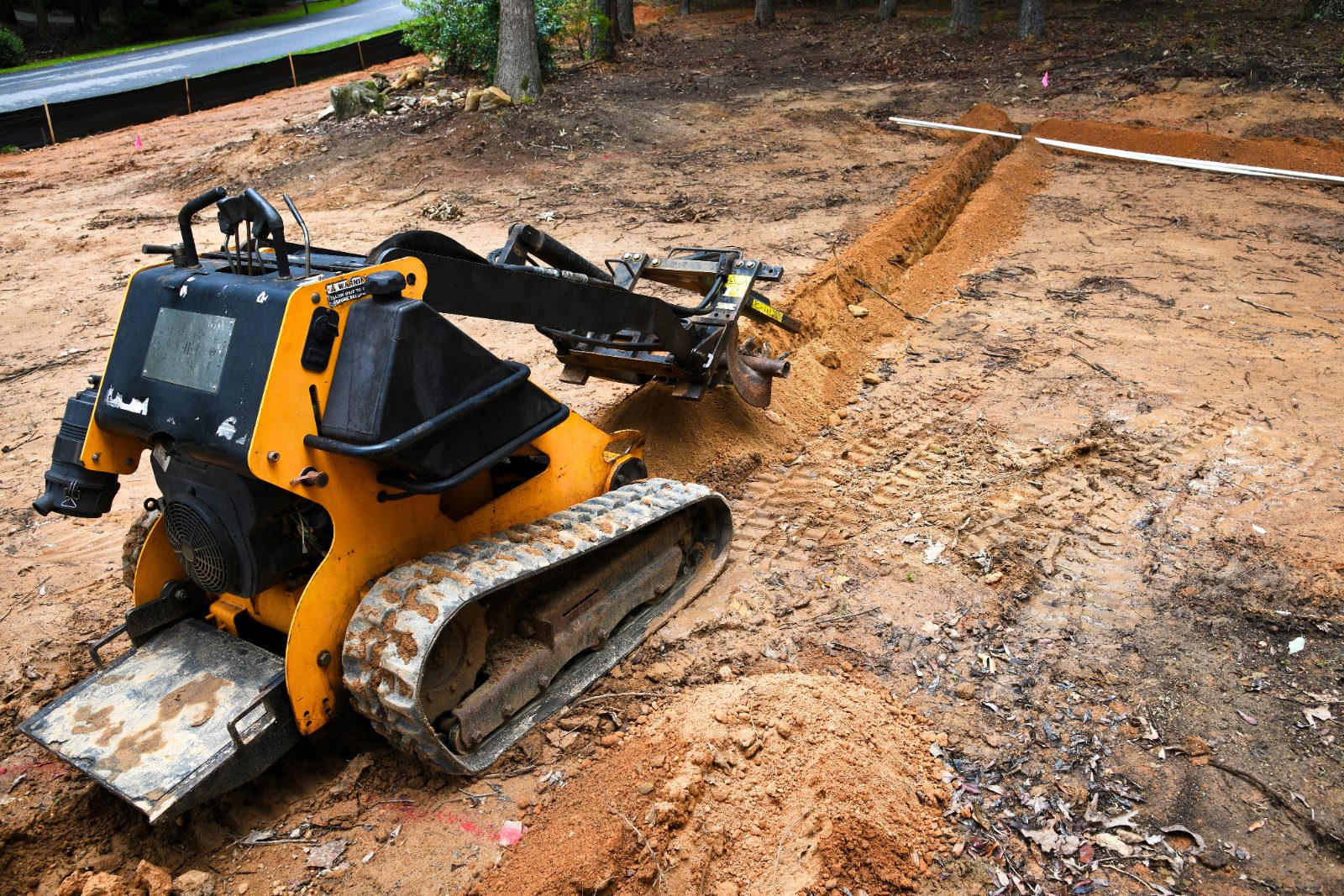
It is 7:40 on a Sunday morning in Walland. A homeowner walks into the laundry room and finds an inch of gray water on the floor, the toilets are gurgling and there is a smell in the yard that was not there Friday. She pulls out her phone and types septic pumping near me. Google shows her three companies in the map pack. Two are based in Knoxville and one in Sevierville. The Blount County company that has pumped tanks on her road for twenty years is nowhere on the screen, so she calls the first number that answers.
Blount County septic companies are invisible in local search because Google treats them as service-area businesses whose ranking is anchored to a registered address, not to the towns they actually serve. The fix is a service-area local SEO system: a correctly configured Google Business Profile, a page for each community you genuinely cover, reviews that name the town and the service, and call tracking by area so you can prove which towns are paying you back.
Why septic is the hardest trade for Google to place
A plumber in Maryville has a shop. A roofer in Alcoa has an office. A septic company in Blount County often runs out of a home on a few acres in Greenback or a gravel yard off Highway 321 where no customer ever sets foot. Google’s guidelines say that if customers do not visit your location, you must hide the address and operate as a service-area business. That is the right rule, and it quietly costs you rankings.
Google explains its local ranking on three factors: relevance, distance and prominence. Distance is the one that hurts septic companies. Even with a hidden address, Google uses the location on file as the center point for its distance math. If that point sits in Knoxville because that is where the business was first registered, or the profile lists a huge service area with no specific towns, Google cannot tell that you are the closest option for a homeowner in Townsend. The map pack fills with whoever is technically nearer or more prominent, usually the bigger multi-county operators.
Blount County makes this worse. Large parts of the county outside the Maryville and Alcoa utility districts run on septic, from Louisville and Friendsville along the lake to Walland and Townsend near the mountains. The demand is spread across a dozen small communities that each search differently, and a company that only optimizes for “Maryville” misses most of it.
How Google actually ranks a service-area septic company
Whitespark’s Local Search Ranking Factors survey, which polls the most experienced local SEO practitioners each cycle, has consistently placed Google Business Profile signals at the top for map-pack rankings, at roughly a third of the total weight, with reviews, on-page content and links following. For a service-area business, four profile details do most of the work.
The primary category tells Google what you are. Most septic companies are set to “Plumber” or “Contractor” because that is what was available when the profile was created. The correct primary category is “Septic system service,” with secondary categories for excavation or drainage only if you actually offer them. This single change is the most common and most fixable mistake we see.
The service area tells Google where you are relevant. Google allows up to 20 areas and recommends keeping them within about a two-hour drive. Specific towns beat counties, and counties beat “East Tennessee.” Listing Maryville, Alcoa, Louisville, Friendsville, Greenback, Rockford, Walland and Townsend is a stronger signal than listing three counties.
The services list tells Google which searches you belong in. Pumping, real-estate inspections, drain field repair and new installations are different searches with different intent, and each should be a named service with its own description.
The consistency of your name, phone and area across your website, your Tennessee Department of Environment and Conservation records and every directory that mentions you tells Google whether to trust the profile at all. Septic installers and pumpers in Tennessee operate under TDEC’s Division of Water Resources, and that public record is one more place a mismatched business name can undermine you.
The service-area local SEO system
This is the system we run for service-area contractors, in the order that works.
1. Fix the profile foundation
Set the primary category to “Septic system service.” Hide the address if customers do not visit. Define the service area by named town. Fill every service with a real description. Add your TDEC license status to the business description in plain language. Upload photos of your own trucks, crew and jobs, not stock images.
2. Build a page for every community you can speak to honestly
A town page is not a template with the name swapped. It is the page you would want a homeowner in that town to read. For Townsend, that means steep lots, floodplain setbacks along the Little River and the reality that many older cabins have undersized tanks. For Greenback and Friendsville, it means larger rural parcels, aging conventional systems and the inspection homebuyers need before closing. Google’s helpful-content guidance rewards pages written for people and penalizes thin duplicates, so six honest pages beat twenty hollow ones.
3. Ask for reviews that name the town and the job
BrightLocal’s Local Consumer Review Survey has found year after year that nearly every consumer reads reviews before choosing a local business. For a service-area company, the words inside those reviews matter as much as the star count. A review that says “pumped our tank in Walland the same afternoon” is a relevance signal for the exact search you want to win. Ask within an hour of finishing the job, by text, while the relief is fresh.
4. Answer the questions homeowners are already asking
The U.S. Environmental Protection Agency recommends inspecting a household septic system at least every three years and pumping a typical tank every three to five years. Homeowners search for that number, along with “signs my septic tank is full,” “how much does septic pumping cost in Tennessee” and “do I need a septic inspection to sell my house.” A short, plainly written answer to each on your own site is the content that gets pulled into Google’s AI Overviews and into ChatGPT when someone in Maryville asks who to call.
5. Track calls by town
Use a tracking number on each town page and on your Google Business Profile so you can see which communities actually produce calls, then put your next hour of effort where it pays.
6. Reactivate your own customer list
Every tank you pumped three to five years ago is due now. A reminder sequence to past customers is the least expensive booked job in your business, and every repeat visit is another chance for a review that names the town.
What the first 90 days should look like
In the first month, the profile changes take effect and you start appearing for searches that include the towns you named. In the second, the community pages index and the map pack becomes more consistent for searches made from inside those towns. In the third, reviews that mention specific communities start compounding and the tracking numbers show which pages earn their keep. Septic rankings move faster than crowded trades like HVAC because most competitors have never done any of this.
The trap to avoid is buying shared leads from a national marketplace to fill the gap. Those leads go to several companies at once and build nothing you own. The system above is slower for thirty days and then it is yours.
Frequently asked questions
Why doesn’t my septic company show up in the Google map pack in Blount County?
Google ranks the local map pack on relevance, distance and prominence, and for a service-area business the distance signal is anchored to the address on your Google Business Profile, not to the towns you drive to. If your profile is registered in Knoxville or lists a vague service area, a homeowner in Townsend is “far away” in Google’s math. Fixing the primary category, naming the towns you actually serve and building a page for each of them are the three changes that move the needle fastest.
How many service areas should a septic company list on Google Business Profile?
Google allows up to 20 service areas and recommends keeping them within roughly a two-hour drive of your base. Fewer, more specific areas outperform a sprawling list, so a Blount County septic company should name the towns it genuinely covers, such as Maryville, Alcoa, Louisville, Friendsville, Greenback, Walland and Townsend, rather than claiming all of East Tennessee.
Do I need a separate web page for every town I serve?
You need a page for every town where you want to rank and can say something true and specific. A page for Townsend that talks about steep lots, Little River floodplain setbacks and the TDEC permit process for that area earns its place. A page that swaps the town name into the same template does not, and Google’s helpful-content guidance treats that kind of thin, duplicated page as a liability rather than an asset.
How often should septic tanks be pumped, and why does that matter for my marketing?
The U.S. Environmental Protection Agency recommends having a household septic system inspected at least every three years and a typical tank pumped every three to five years. That matters for marketing because it defines your reactivation window: a customer you pumped in 2023 is due again now, and a simple reminder sequence to your own past customers is the cheapest booked job you will ever get.
Should a septic company hide its address on Google Business Profile?
If you operate from your home or a yard that customers never visit, Google’s guidelines require you to hide the address and operate as a service-area business. Hiding the address does not hurt you; inconsistency does, so make sure your business name, phone number and service area match your website, your TDEC record and every directory that lists you.
If your septic company has been in Blount County for years and still loses the Sunday-morning call to a company from two counties over, the problem is not your work. It is how Google reads your profile. Forty-Second Street builds and runs the service-area local SEO system described above for East Tennessee contractors, from the profile foundation through community pages, review systems and call tracking, and we report results by town so you can see exactly what is working.
Keep reading
See where you stand: get a free AI visibility audit and find out whether local homeowners can find you in Google and AI search.
NiceJob: Ask each septic customer for a review, which helps you show up near more homes.
LucroVox: Answer septic calls and book jobs day and night when you are out on a truck.