How can a Claiborne County drywall contractor get burst-pipe calls?
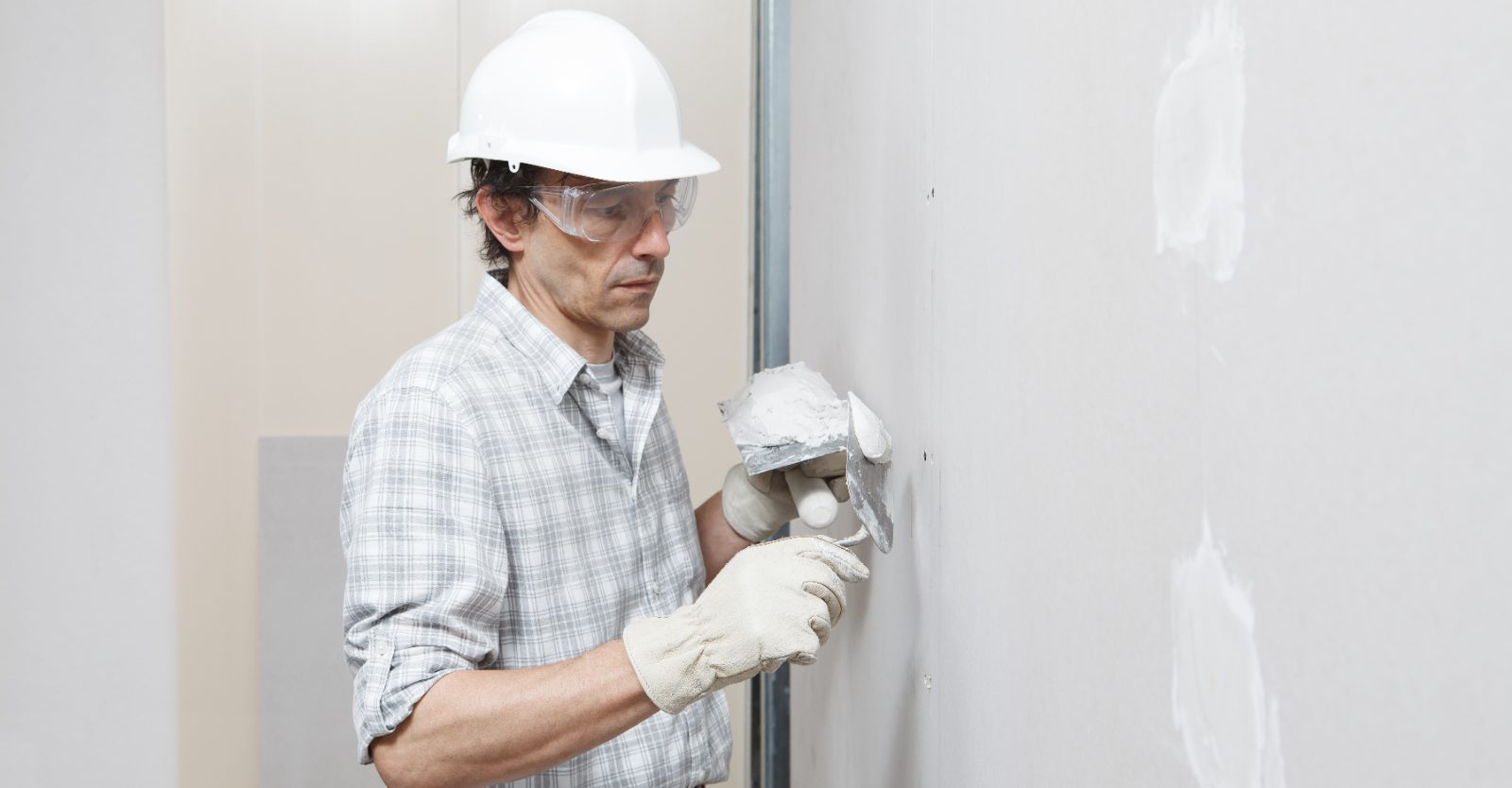
A Claiborne County drywall contractor gets burst-pipe calls by being the one a homeowner can find, call and trust before the ceiling dries. That means a complete Google Business Profile, a page for water-damage drywall repair, recent reviews with job photos, and a phone answered within the hour in December and January.
Key takeaways
- Water damage and freezing claims averaged $15,400 across 2019 to 2023, according to the Insurance Information Institute.
- Claiborne County drywall crews win these calls by answering fast and showing recent photos of finished ceilings.
- Start now, because a new Google profile or page needs time to be seen before the first hard freeze.
A family leaves a lake house on the Claiborne County side of Norris Lake empty after Thanksgiving. A hard freeze splits a line, and the water runs through the ceiling all weekend. On Monday the owner picks up a phone and searches for a drywall contractor. Who shows up?
Want to see which burst-pipe searches you are losing, and to whom? Run the free 60-second AI visibility check and see where Claiborne County homeowners find your name, or someone else’s.
How common are burst-pipe repairs, and what do they cost?
Burst-pipe and water-damage repairs are common and expensive. The Insurance Information Institute reports that water damage and freezing claims averaged $15,400 per claim from 2019 to 2023, at about 1.50 claims per 100 insured house-years. For a drywall contractor, that means repair work every time the temperature drops.
Claiborne County had 15,838 housing units in the Census Bureau’s 2025 estimate. At that national rate of 1.50 claims per 100 house-years, the county would see roughly 240 water-damage or freezing claims a year. That is an illustration, not a count of real Claiborne County claims. It treats every housing unit as insured, so the true number is probably lower.
The $15,400 figure covers the whole loss, not just drywall. The Census Bureau reports a median home value of $159,900 in Claiborne County for 2020 to 2024, and 72.2 percent of homes are owner-occupied. A claim that size hurts those owners, so expect them to compare contractors before they book.
Where do Claiborne County homeowners look for a drywall contractor?
Most start on Google, read reviews, and a growing share now ask ChatGPT. BrightLocal’s 2026 Local Consumer Review Survey found that 97 percent of consumers read reviews for local businesses, 71 percent use Google as a review source, and 45 percent use generative AI tools for local recommendations.
BrightLocal also found that 74 percent of consumers look for reviews written in the last three months. If your Google Business Profile shows reviews from two summers ago and none from this fall, a homeowner in Tazewell, Harrogate or near Cumberland Gap may skip you for a name that looks active.
Claiborne County had 32,043 residents in the 2020 Census, spread across towns, ridges and lake country. Nobody drives to your shop to judge you. They search from the kitchen table and read what Google Maps shows. Your profile and reviews are the storefront.
What should your Google Business Profile show before the first hard freeze?
Your Google Business Profile should show a drywall contractor category, your Claiborne County service area, a service called water-damage drywall repair, real job photos, current hours and a tap-to-call number. Add them before the first hard freeze, because the first burst-pipe calls come from searches made that same week.
Pick the primary category that matches your main work, then add the services you want calls for, in the words homeowners use: ceiling repair, water-damaged drywall, patch and paint. Add the towns you serve. Set holiday hours for Thanksgiving, Christmas and New Year’s so a closed sign does not cost you a call.
Photos matter more than most owners think. Upload finished ceiling repairs and before-and-after shots, with the homeowner’s permission. Then ask every customer for a Google review, every time. Never pay for reviews and never screen who you ask. Reply to each review, and name the town and the repair so the reply reads like a real conversation.
Get your 90-day plan — thirty minutes with Mike, zero pitch, and you leave knowing the three fixes that will ring your phone first.
How fast do you have to call back?
Answer live when you can, and call back inside the hour when you cannot. A homeowner with a wet ceiling wants a person today, not a quote next week. The drywall contractor who picks up and gives a clear next step has a real head start on the one who lets it go to voicemail.
You are on a ladder half the day, so build the phone around that. Record a voicemail greeting that names your town and asks the caller to text a photo and their address. Turn on missed-call text-back so every caller gets a reply in seconds. Put a tap-to-call button at the top of your website so a phone user never has to hunt for the number.
If nobody can answer during a job, an answering service or an AI receptionist can take the first call and book the estimate. Track every call you miss for two weeks. The count usually surprises owners.
What does the math look like at $600 a month?
At $600 a month, ten calls and a 40 percent booking rate give you four jobs and a cost of $150 per booked job. Those numbers are an illustration with stated assumptions, not a client result or a promise. Swap in your own call count, booking rate and average repair price.
The assumptions: $600 in monthly spend, ten calls, 40 percent booked, and an average repair job of $1,800. Four jobs at $1,800 is $7,200 in sales, or $12 for every $1 spent, before labor and materials. If you book only 25 percent of those calls, you get 2.5 jobs and a cost of $240 per booked job. Same ad, different phone habits.
| Option | What it costs you | What you get in burst-pipe season |
|---|---|---|
| Referrals only | No ad cost | Calls from people who already know you, and nothing from new homeowners |
| Complete Google Business Profile with fresh reviews | Your time each week | A spot on Google Maps when homeowners search for drywall repair near them |
| One water-damage drywall page on your website | A one-time build | A page Google and AI tools can read, quote and send calls to |
| Google Ads search campaign | Monthly ad spend plus management | Calls this week, and they stop when the spend stops |
A hard freeze can start the calls overnight. If you want a second set of eyes on your profile and website before then, call 865-382-7007 this week.
When should you start, and what do you do each week?
Start this week. Cold snaps through December and January send the repair calls, and a new profile or page needs time to be seen. Build now so everything is ready before the first freeze, not after the first call you miss.
The calendar is short. Late November: finish the profile, photos and voicemail. December: collect reviews, post holiday hours and share one finished job a week. January: answer fast and track every call by source. February: handle thaw repairs, ask for reviews again and plan your spring pitch to builders.
- Fix your Google Business Profile category, services and hours today.
- Upload ten real photos of finished repairs, with each homeowner’s permission.
- Write one page for water-damage drywall repair that names the towns you serve.
- Ask your last ten customers for a Google review this week.
- Record a voicemail greeting that names your town and asks for a photo by text.
- Track every call by source for ninety days.
What is a water-damage drywall page, and why does it help?
A water-damage drywall page is a page on your website that covers one job: repairing walls and ceilings after a leak or burst pipe. It names the towns you serve, lists the steps, shows photos of finished work and puts your phone number at the top. Google and AI tools can lift it as a direct answer.
One page that does one job beats a general home page. Use your own photos from Claiborne County jobs, not stock images, and answer the questions homeowners ask first.
At Forty-Second Street we see the same pattern with finish trades since 2010. The crew does great work, but the Google profile is half filled in, the website has no repair page and the voicemail box is full. The emergency call goes to the name the homeowner found first. The work is rarely the problem. Being findable on a Sunday night is.
Frequently asked questions
Who gets the first call when a pipe bursts in Claiborne County?
The homeowner usually calls a plumber first to stop the water, then searches for a drywall contractor once the leak is fixed. That second search is your moment. A Claiborne County drywall contractor with a complete Google Business Profile and recent reviews is the one the homeowner finds, compares and calls.
Where should a Claiborne County drywall contractor show up first?
Start with Google Maps through a complete Google Business Profile, because homeowners searching for drywall repair near them see map listings early. Then add one repair page to your website and keep fresh Google reviews coming. ChatGPT and Google AI Overviews often pull from the same public listings and reviews.
How much should a Claiborne County drywall contractor spend on marketing?
There is no single right number. Start with the free pieces: your Google Business Profile, photos and reviews. Add paid ads only after you can answer every call. Pick a monthly amount you can lose without hurting payroll, track your cost per booked job for 90 days, then raise it or cut it based on that number.
How long does it take to show up on Google Maps?
Profile edits can appear within days, but ranking depends on reviews, distance and how complete your profile is, and nobody can guarantee a position. Plan on several weeks to see steady movement. That is why a Claiborne County drywall contractor should start before the freeze, not after the first missed call.
Do I need a separate page for each town?
No. Write one strong page for water-damage drywall repair first and name the towns you work in, such as Tazewell, Harrogate and Cumberland Gap. Add a town page later only if you can fill it with real jobs and photos from that town. Copy-and-swap town pages add little and can hurt you.
What if most of my work comes from builders and referrals?
Keep the referrals, and add one way for homeowners to find you. Builder work can slow in winter, while repair calls follow cold weather. A Google profile and one repair page give you a second source of jobs that does not depend on one builder’s schedule or one person’s memory.
The bottom line
Burst-pipe season is coming, and homeowners will pick the drywall contractor they can find, call and trust that week. Fix your Google Business Profile, load it with real photos and fresh reviews, and answer every call. A new profile or page needs time to be seen, so start now. Book a free call and we will map the websites and marketing moves that put your crew first in line.
Sources
- Insurance Information Institute (Triple-I), Facts + Statistics: Homeowners and renters insurance, water damage and freezing claims, 2019–2023 data
- BrightLocal, Local Consumer Review Survey 2026, published February 2026
- U.S. Census Bureau, QuickFacts: Claiborne County, Tennessee (2020 Census; 2025 housing estimate; 2020–2024 five-year estimates)
Keep reading
- How an Athens, TN drywall contractor can plan for freeze season
- Marketing for general contractors and finish trades in East Tennessee
- Our Grainger County marketing page, next door along US 25E
See where you stand: get a free AI visibility audit and find out whether East Tennessee homeowners can actually find you in Google and AI search.
Answering Service Care: Picks up burst-pipe calls day and night so the job never goes elsewhere. Try Answering Service Care →
Quo: Answers calls and texts on a business line so your crew stops missing leads. Try Quo →
NiceJob: Asks happy customers for reviews so more homeowners see your good work.