Why Knoxville Kitchen and Bath Remodelers Lose Big Jobs to Houzz Portfolios (and the Project-Page SEO System That Books Design Consultations)
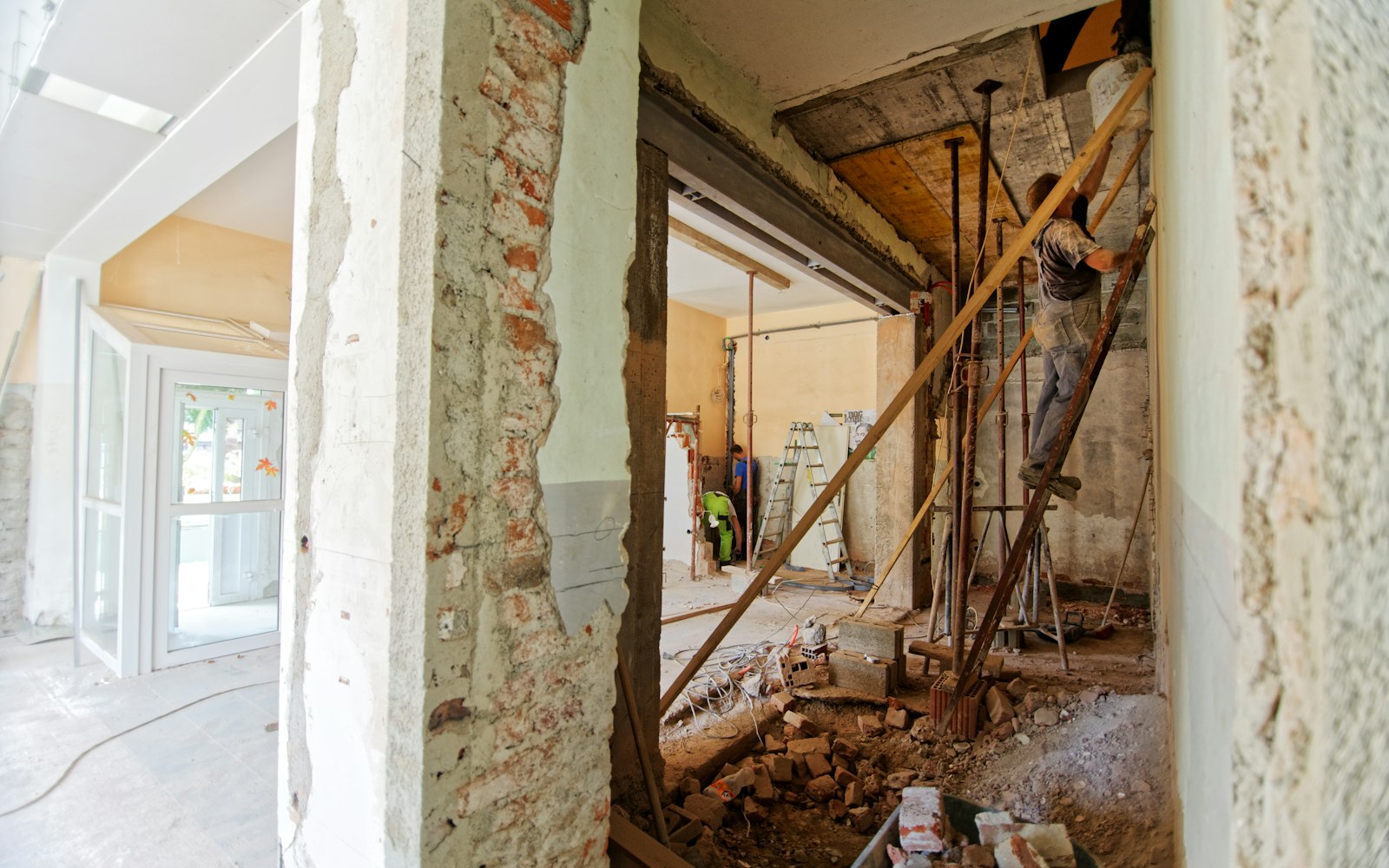
A couple in Sequoyah Hills has been living with a 1987 kitchen for eleven years. On a Sunday night one of them types “kitchen remodel Knoxville before and after” into Google, then asks ChatGPT “who are the best kitchen remodelers in West Knoxville?” Page one is Houzz, a national design-build franchise, a Nashville firm with a Farragut project page, and two idea galleries. The remodeler who has finished forty kitchens within five miles of that house is nowhere, because his portfolio is a Facebook album with no captions and a “Gallery” page of forty unlabeled thumbnails. He never gets the call, and the job goes to a company that showed its work.
Knoxville kitchen and bath remodelers lose high-ticket jobs online because they publish photos instead of projects. A project page is a dedicated URL for one completed job that names the neighborhood, the scope, the budget range, the timeline, the problems you solved and the homeowner’s result, with captioned before-and-after photos. Published consistently, project pages are the single most defensible SEO and AI-search asset a remodeler owns, because nobody else can copy your work.
Remodel buyers search differently than emergency buyers
A homeowner with a burst pipe searches once, calls the first plumber in the Map Pack and is done in ten minutes. A homeowner planning a kitchen or primary bath spends weeks or months researching before they contact anyone, and they search dozens of times along the way: “how much does a kitchen remodel cost in Knoxville,” “small bathroom remodel ideas,” “walk-in shower conversion Farragut,” “kitchen remodel before and after Knoxville.” Each query is a chance to be the company they already recognize when they finally fill out a form.
That is why the Google Business Profile playbook that works for HVAC and plumbing is necessary but not sufficient for remodelers. The Map Pack captures the last search. Project pages capture the twenty searches before it, and they carry visual proof that a phone number and a star rating cannot. Zonda’s 2024 Cost vs. Value report put the national average cost recouped on a midrange minor kitchen remodel at roughly 96 percent, which tells you homeowners are not just buying a room. They are making an investment decision, and investment decisions get researched.
The Houzz problem: you are renting the shelf
Houzz is where most remodelers put their best work, and it does bring some leads. It also ranks for nearly every remodeling search in East Tennessee because thousands of contractors, including you, hand it fresh photos every week. Every project you upload strengthens Houzz’s domain, not yours. When a homeowner lands there, they see your kitchen next to fifteen competitors, sorted by whoever pays for Houzz Pro placement that month.
Marty Neumeier’s rule in Zag is that a brand wins by being the only one that does something. On Houzz you are one of many by design. On your own project page you are the only remodeler on the screen, the only phone number, the only form. Keep posting to Houzz if it produces leads, but treat it as a billboard pointing back to a portfolio you control, not as the portfolio itself.
Anatomy of a project page that ranks and converts
A project page is not a gallery grid. It is a short, structured case study with a specific URL such as /projects/farragut-kitchen-remodel-open-concept. Every page should include the same elements, in the same order, so your team can produce one in under two hours once the photos are in hand.
Start with a headline that names the place and the job: “Farragut kitchen remodel: opening a 1994 galley into a 14-foot island kitchen.” Follow with a one-paragraph summary a busy homeowner can read in fifteen seconds, then a facts block covering neighborhood or ZIP code, home age, scope, budget range, timeline in weeks, and key materials and brands. Next comes the problem-solution-result narrative: what the homeowners hated, the constraints you worked around (a load-bearing wall, a 1960s cast-iron drain stack, a 12-week lead time on cabinets), and what changed for the family. Then eight to fifteen photos, including at least two true before shots from the same angle as the afters, each with a descriptive caption and alt text. Close with a two-sentence homeowner quote taken from a real Google review, three short FAQs specific to this job, and one call to action that leads to a design consultation, not a generic contact form.
Donald Miller’s StoryBrand framework applies directly: the homeowner is the hero, you are the guide, the page is the plan. A remodeler who writes “we installed custom maple cabinetry” has made himself the hero. A remodeler who writes “the Hendersons wanted to see the backyard from the stove, so we removed the wall between the kitchen and den” has made the homeowner the hero, and the next Henderson reading the page sees themselves in it.
Why project pages win in Google and in AI search at the same time
Google added “Experience” to its E-E-A-T quality framework in December 2022, and its helpful-content guidance explicitly asks whether a page demonstrates first-hand expertise and depth of knowledge, such as from actually using a product or visiting a place. A project page is first-hand experience by definition. It is also the one content type a competitor, an AI writing tool or a franchise marketing department cannot replicate, because they did not build that kitchen.
AI search engines such as ChatGPT, Perplexity and Google’s AI Overviews reward the same qualities for a different reason. When a homeowner asks who remodels bathrooms in Bearden, the model looks for pages that pair a specific business entity with a specific place, a specific service and evidence. A page titled “Bearden primary bath remodel: curbless shower and heated floors” with a named city, a date, a scope and a price range is exactly the kind of source these systems cite. A gallery page with no text gives them nothing to quote. Add Article and ImageObject schema, mark up the homeowner quote as a Review, and link every project page to the matching service page and to your Google Business Profile, and you have built the entity graph that both Google and the answer engines need to trust you.
There is a compounding effect. Ten project pages rank for ten neighborhoods and ten scopes. Thirty project pages make you the most-documented remodeler in Knox and Blount County, and Google Images becomes a second front door, because remodel buyers browse images before they read anything.
The 90-day project-page system
The reason most remodelers have no project pages is not strategy, it is capture. Photos live on four phones, nobody wrote down the budget range, and by the time someone thinks about marketing, the homeowners have moved on. Fix the capture and publishing takes care of itself.
In the first two weeks, build one page template in your CMS and write a one-page intake form your project manager fills out at final walkthrough: neighborhood, scope, budget range, timeline, three problems solved, two brands worth naming. Add a standing line item to every job schedule: before photos at contract signing from four fixed angles, progress photos at demo and rough-in, and a two-hour professional shoot at completion. A local photographer at a few hundred dollars per project is the highest-return marketing dollar you will spend this year, because those images also feed your Google Business Profile, your review requests, your Houzz profile and your social posts.
From week three onward, publish two project pages per month. Backfill the best jobs from the last three years first, calling past clients for a quote and permission if you need to. Each time a page goes live, post the hero image and a link on your Google Business Profile, send it to the homeowner with your review request so their review mentions the neighborhood and scope, and add an internal link from the relevant service page. By day 90 you will have six to eight indexed project pages, a repeatable process, and a portfolio a competitor would need years to match.
The mistakes that make project pages invisible
The most common failure is the uncaptioned grid: forty images, no words, no location, no scope. Google cannot rank it and AI cannot cite it. The second is stock photography, which tells both a homeowner and an algorithm that the work is not yours. The third is hiding price; a budget range such as “$65,000 to $80,000” qualifies serious buyers and filters tire-kickers, and it is one of the most-asked questions in AI search. The fourth is technical: 8-megabyte images that take six seconds to load on a phone, no alt text, no schema, and no link from the page to a service page or to the form. The fifth is the vanity project page written for other designers instead of for the next homeowner in that neighborhood.
Frequently asked questions
How many project pages does a Knoxville remodeler need to see results?
Most remodelers see their first project pages ranking for neighborhood and scope searches within eight to twelve weeks of publishing, and meaningful lead flow once ten to fifteen pages are indexed. Two pages per month is a sustainable pace for a company completing three to six remodels a month, and backfilling recent jobs accelerates the first quarter.
Should I put pricing on a remodeling project page?
Yes, as a budget range rather than an exact figure. A range such as “$45,000 to $60,000” pre-qualifies homeowners, reduces wasted consultations, and directly answers one of the most common questions people ask Google and AI assistants about remodeling in Knoxville. Remodelers who hide price lose the search to cost-guide sites that publish national averages.
Do project pages replace Houzz for a remodeling company?
No, they change its role. Keep a Houzz profile if it produces inquiries, but publish every project on your own website first and treat Houzz as a distribution channel that points back to you. Content on your domain builds your rankings and your AI-search visibility; content on Houzz builds Houzz’s.
What photos does a kitchen or bath project page need?
At minimum, two before photos taken from the same angles as the finished shots, one wide hero image of the completed space, and six to ten detail images showing cabinetry, countertops, tile, lighting and storage solutions. Every image needs a descriptive caption and alt text that names the room, the feature and the neighborhood, and files should be compressed to load quickly on mobile.
How do project pages help a remodeler show up in ChatGPT and Google AI Overviews?
AI search engines cite pages that connect a named business to a specific place, service and evidence. A project page that states the neighborhood, scope, timeline, budget range and homeowner result, marked up with Article and Review schema and linked to your Google Business Profile, gives those systems a quotable, verifiable source. Gallery pages with no text give them nothing to cite.
If you have built beautiful kitchens across Knox and Blount County and the internet still cannot find them, the fix is not more ad spend. It is documenting the work you already do, one project page at a time, so the next homeowner in Farragut, Bearden or Maryville finds you before they find Houzz. Forty-Second Street builds project-page systems, schema and AI-search visibility for East Tennessee remodelers who want their portfolio working as hard as their crew.
Keep reading
See where you stand: get a free AI visibility audit and find out whether local homeowners can find you in Google and AI search.
Contractor Foreman: Low-cost project management for trade and general contractors. Try Contractor Foreman →
Jobber: Quotes, scheduling, invoices and payments in one app for small service crews. Try Jobber →