

Why Maryville Roofing Companies Lose Post-Storm Jobs to Storm Chasers (and the Local-Trust System That Wins Them Back)
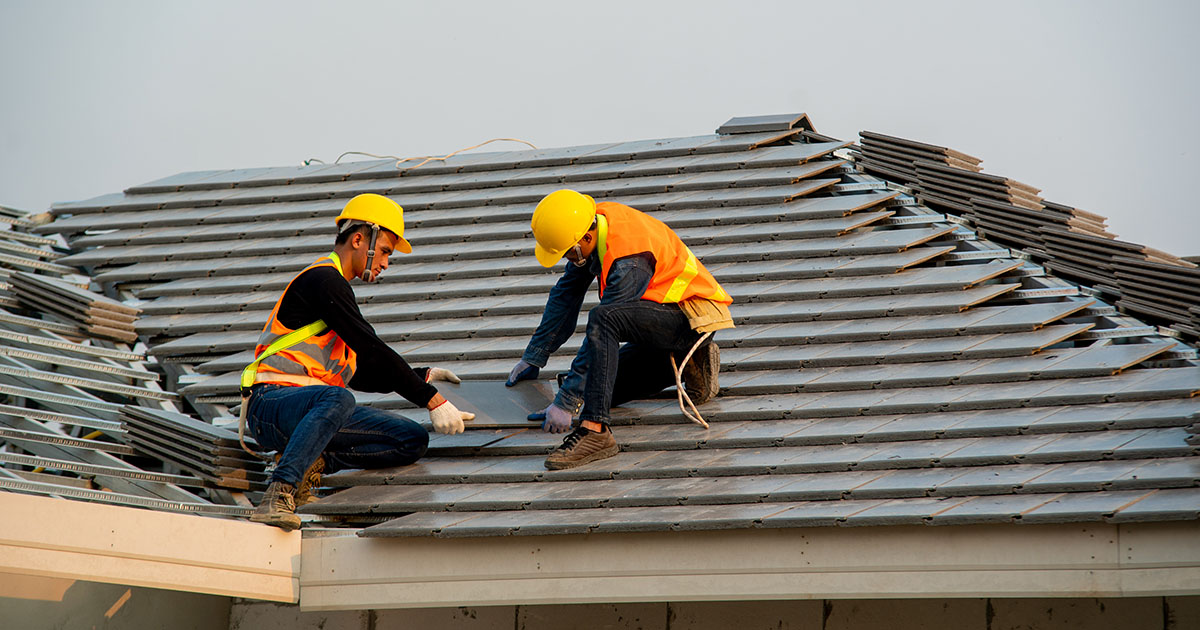
An April thunderstorm rolls across Blount County around 9 p.m. By 7 the next morning there are two pickup trucks with out-of-state plates working the cul-de-sacs off Montvale Road, knocking on doors, offering “free inspections,” and handing out contracts before most Maryville roofing companies have finished their first cup of coffee. By Friday, a dozen roofs in that neighborhood are spoken for, and the local company with the better crew, the better warranty, and twenty years in town got none of them.
Maryville roofing companies lose post-storm jobs to storm chasers because the chasers win on speed and visibility in the first 72 hours, not on quality. The fix is a local-trust system built before the storm: a Google Business Profile and review base that already outrank the newcomers, a storm-response page that answers the insurance questions homeowners are searching for, and a follow-up process that gets you in front of the homeowner within minutes, not days.
Why storm chasers win the first 72 hours
Out-of-town crews follow weather data, arrive within a day of a hail or wind event, and canvass hard because they know a homeowner staring at a tarp will hire the first competent-sounding person who shows up. The National Insurance Crime Bureau has warned for years that contractor fraud spikes after storms precisely because urgency short-circuits the normal vetting a homeowner would do.
Meanwhile, the homeowner who does not answer the door is on their phone typing “roof repair Maryville” or asking Google or ChatGPT “who should I call about hail damage to my roof.” What they see in that moment is the whole game. If the top of the page is Local Services Ads from companies who turned them on last week, a Map Pack that does not include you, and an AI Overview that names two competitors, then your twenty years in town are invisible when they matter most.
Google is explicit that local rankings come down to three things: relevance, distance, and prominence. Storm chasers cannot beat you on distance, and they can rarely beat you on relevance. They beat you on prominence, because they show up loud and fast while you are quietly doing good work.
The three trust signals homeowners actually use
Robert Cialdini’s research on influence identified authority and social proof as two of the strongest shortcuts people use under uncertainty, and a homeowner with water coming through the ceiling is as uncertain as they get. In practice that means three things decide who gets hired in Maryville after a storm.
First, review volume and recency. BrightLocal’s Local Consumer Review Survey has found year after year that nearly every consumer reads online reviews before choosing a local business, and recency matters more than most owners think. A profile with 180 reviews and none in the last four months looks abandoned next to one with 60 reviews and five from last week.
Second, proof of being local and licensed. Tennessee requires a state contractor’s license for projects of $25,000 or more, and a full replacement on a larger Blount County home clears that bar easily. A homeowner who can find your Tennessee license number, your Maryville address, and photos of your crew on local streets has three reasons to trust you that a canvasser with a clipboard cannot match.
Third, a clear answer to the insurance question. Most homeowners have never filed a roof claim. The company that explains, in plain English, how the adjuster visit works, what “ACV versus RCV” means, and why they should never sign an assignment of benefits at the door becomes the trusted expert. Google’s own quality guidelines describe this as demonstrated experience and trustworthiness, and the AI search engines that summarize the web reward it the same way.
The local-trust system that wins those roofs back
Every piece of this system exists so that, when the storm hits, you already own the search results and the homeowner’s attention.
1. Fund the prominence bank before storm season
Your Google Business Profile needs the primary category set to Roofing Contractor, a service list that names “storm damage roof repair,” “hail damage roof inspection,” and “insurance claim roofing,” and a photo library that shows real Maryville jobs, not stock images. Then run a review-request process on every completed job, sent by text within 24 hours of the final walkthrough, with a direct link. The goal is not a big number. It is a steady drip that keeps your profile visibly alive every single week of the year.
2. Publish the storm-response page before you need it
Build one page on your site, right now, titled something like “Storm Damage Roof Repair in Maryville, TN.” It should cover how to document damage, how the insurance process works, your license number, what a legitimate inspection looks like, and the specific warning signs of a storm chaser. Include a short FAQ with the exact questions homeowners ask. When the storm hits, this page is what Google and the AI engines pull from, because it already exists, already has authority, and answers the question more completely than a canvasser’s flyer.
3. Turn on Local Services Ads and keep them on
Google’s Local Services Ads sit above everything else on a mobile search, carry the Google Guaranteed badge, and charge per lead rather than per click. Storm chasers use them because they work. A Maryville roofer with a completed background check and active LSA account is competing on the same shelf, with a local address and hundreds of local reviews the chaser does not have. Do not wait until the week of the storm to start the verification process; it takes time.
4. Win the AI answer
When a homeowner asks an AI assistant who to call, the engine assembles its answer from sources it trusts: your Google profile, your website, review platforms, and local mentions. Consistent business information everywhere, structured FAQ content on your storm page, and being named in local coverage or community pages all raise the odds that the answer includes your name. This is not separate from local SEO. It is what local SEO produces when it is done completely.
5. Close the speed gap
None of this matters if a homeowner calls at 8:10 a.m. and gets voicemail. A missed-call text-back that fires within a minute, a same-day inspection slot held open during storm weeks, and a rep who leads with “we’re on Sevierville Road, we’ve been here since 2004” closes the one advantage the chasers actually have. Speed is a trust signal too.
Say what only you can say
Marty Neumeier’s “onliness statement” from Zag is the fastest positioning tool we know for this fight. Fill it in honestly: “Our company is the only roofing contractor in Blount County that (does what) for (whom) in (a market of) who (need what).” A Maryville roofer might land on: the only locally owned roofer that will still be here for a warranty call ten years after the storm chasers have left the state. That line belongs on your storm page, your Google profile, your trucks, and your phone greeting. Al Ries taught that positioning happens in the customer’s mind, not in your brochure, and after a storm the customer’s mind has exactly one open slot. Fill it with “local, licensed, still here.”
The 30-day pre-storm checklist
Week one, audit and complete the Google Business Profile, add the storm-related services, and load twenty real local job photos. Week two, write and publish the storm-response page with its FAQ and your license number. Week three, start the LSA verification and install the missed-call text-back. Week four, launch the post-job review request on every closed job and set a calendar reminder to add three new local photos each month. Do this in the off-season and the next storm becomes your quarter, not theirs.
Frequently asked questions
How do storm chasers find Maryville neighborhoods so fast after a storm?
Storm-chasing roofing companies subscribe to hail and wind tracking data that shows the exact path of a storm within hours. They dispatch canvassing crews to the affected streets the next morning, often before local companies have assessed the damage themselves. That speed, not better work, is why they capture so many first appointments.
What should a Maryville homeowner check before hiring a roofer after a storm?
Homeowners should verify a Tennessee contractor’s license, confirm a physical local address, read recent Google reviews, and refuse to sign any contract or assignment of benefits at the door. A legitimate local roofer will provide a written inspection report and walk through the insurance process before asking for a signature.
Does a Google Business Profile really help a roofer win storm jobs?
Yes. After a storm, most homeowners search on their phones, and the Map Pack and Local Services Ads take up nearly the entire first screen. A complete Google Business Profile with recent reviews, storm-related services, and local photos is the single biggest factor in whether a Maryville roofer appears in that space when demand spikes.
Should a local roofing company run Local Services Ads during storm season?
In most cases, yes. Local Services Ads appear above organic results, carry the Google Guaranteed badge, and charge per lead rather than per click. Because verification takes time, a roofing company should complete the background check and licensing review before storm season so the ads are already live when demand arrives.
How does a roofing company get recommended by ChatGPT or Google AI Overviews after a storm?
AI search engines build their answers from sources they already trust, including a company’s Google Business Profile, its website, review platforms, and local mentions. A roofer that publishes a detailed storm-damage page with a clear FAQ, keeps business information consistent everywhere, and maintains a steady flow of recent reviews is far more likely to be named in those answers.
Storm season in East Tennessee is not a surprise. It is a schedule. Forty-Second Street builds the local-trust system above for roofing companies in Maryville, Alcoa, and greater Knoxville so that when the next storm rolls through Blount County, the homeowner’s search results already have your name on them and the out-of-town trucks are competing for what is left.
Keep reading
See where you stand: get a free AI visibility audit and find out whether local homeowners can find you in Google and AI search.

